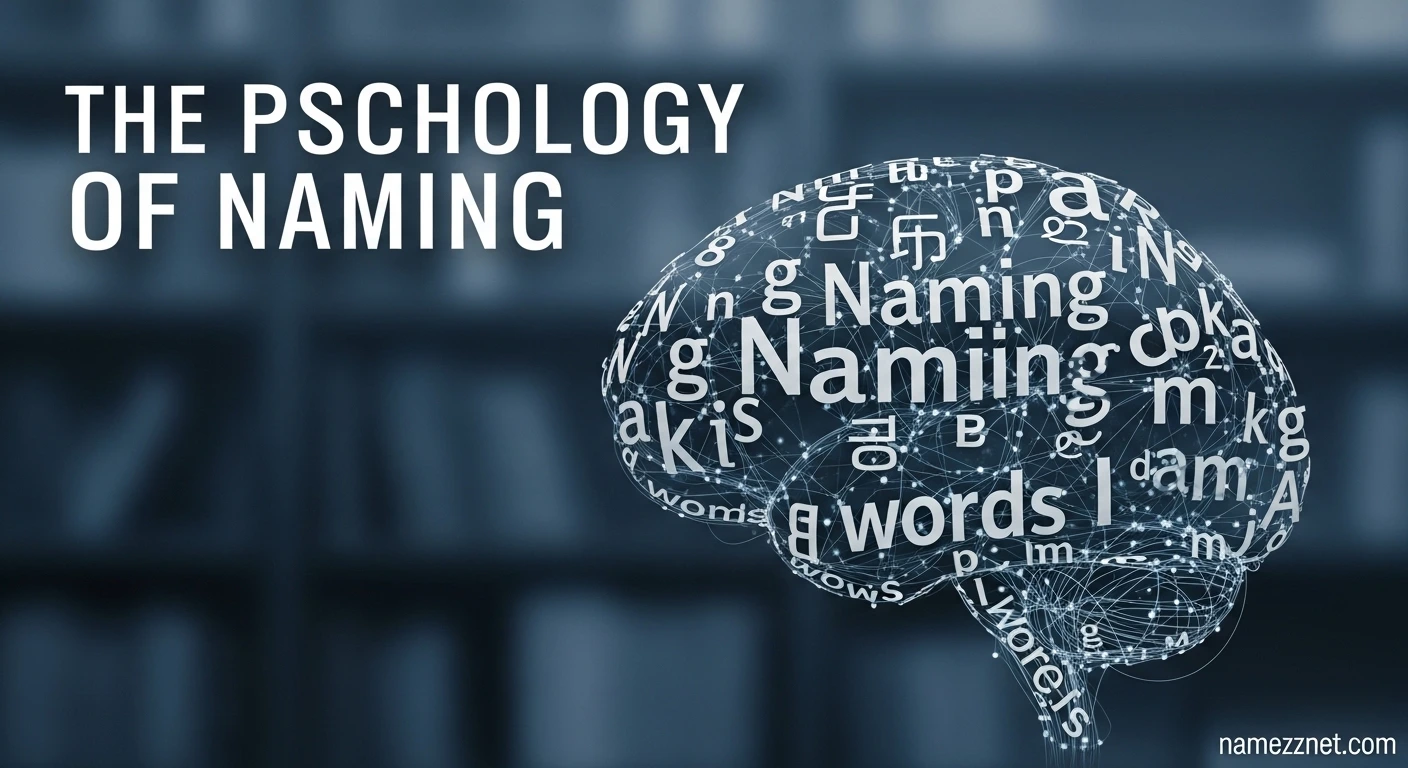
Names are everywhere. They introduce us before we speak, represent brands before customers buy, and create lasting impressions long before deeper relationships are formed. The psychology of naming explores how names influence perception, emotions, identity, trust, memory, and decision-making. Whether you’re naming a baby, a business, a product, a character, or even a pet, the name you choose can have a surprising impact on how others respond.
Think about it: why do some names instantly feel trustworthy, creative, powerful, elegant, or memorable? Why do certain brands become household names while others fade away? Why do parents spend months choosing a baby’s name?
The answers lie at the fascinating intersection of psychology, linguistics, marketing, culture, and human behavior. Understanding the psychology behind names can help you make better naming decisions and appreciate the powerful role names play in everyday life.
What Is the Psychology of Naming?
The psychology of naming refers to the study of how names affect human thoughts, emotions, judgments, and behaviors. It examines the relationship between names and the mental associations people form when they hear, read, or remember them.
A name is far more than a label. It acts as a psychological cue that can influence:
- First impressions
- Social perceptions
- Personal identity
- Brand recognition
- Consumer behavior
- Emotional responses
- Trust and credibility
- Memory retention
Researchers in psychology, sociology, neuroscience, and marketing have found that names often shape expectations before any direct interaction occurs.
Why Names Matter More Than We Realize
Humans naturally seek patterns and meaning. When we encounter a name, our brains immediately begin making assumptions based on:
- Sound
- Familiarity
- Cultural associations
- Language origins
- Personal experiences
- Media influences
For example, a luxury brand with a sophisticated name may be perceived as premium before a customer even sees the product. Likewise, a person’s name can trigger assumptions about age, personality, background, or competence.
These judgments may not always be accurate, but they often influence real-world outcomes.
The Science Behind How Names Influence Perception
Names create cognitive shortcuts that help people process information quickly.
The First Impression Effect
Studies consistently show that people form impressions within seconds. Names contribute significantly to those impressions.
A name can appear:
- Friendly
- Professional
- Modern
- Traditional
- Creative
- Strong
- Elegant
For instance:
- “Alexander” may evoke sophistication and leadership.
- “Luna” often feels creative and imaginative.
- “Mason” may be associated with reliability and strength.
These associations are shaped by culture, media exposure, and social experiences.
Sound Symbolism and Name Psychology
Sound symbolism refers to the idea that certain sounds naturally create specific impressions.
Examples include:
Soft Sounds
Names containing sounds like:
- Lily
- Emma
- Olivia
Often feel gentle, warm, and approachable.
Strong Sounds
Names featuring harder consonants such as:
- Max
- Victor
- Blake
May feel powerful, confident, and assertive.
Marketers frequently use sound symbolism when naming products because sound influences emotional response.
The Fluency Effect
Psychologists have discovered that people tend to prefer names that are easy to pronounce.
This phenomenon is known as processing fluency.
When a name is:
- Easy to say
- Easy to read
- Easy to remember
People are more likely to trust it and feel comfortable with it.
This principle explains why many successful brands use simple, memorable names.
How Names Shape Personal Identity
A person’s name often becomes one of the strongest components of their identity.
Names and Self-Concept
From childhood onward, individuals hear their names thousands of times.
Over time, names become connected to:
- Self-esteem
- Personality development
- Social identity
- Family heritage
People frequently internalize the expectations associated with their names.
The Name-Letter Effect
Researchers have identified an interesting phenomenon called the Name-Letter Effect.
People often show a preference for:
- Letters in their own names
- Places resembling their names
- Careers or brands sharing similar initials
This reflects the natural tendency to favor things connected to one’s identity.
Cultural Identity and Heritage
Names often preserve family traditions and cultural values.
Examples include:
Sophia
Origin: Greek
Meaning: Wisdom
Why it resonates: Associated with intelligence, elegance, and timeless appeal.
Muhammad
Origin: Arabic
Meaning: Praiseworthy
Why it resonates: Deep religious and cultural significance across the Muslim world.
Aiden
Origin: Irish
Meaning: Little fire
Why it resonates: Modern popularity combined with energetic symbolism.
Names can serve as powerful links between generations and communities.
The Psychology of Naming in Branding and Marketing
Businesses spend millions of dollars on naming because names influence consumer behavior.
Why Brand Names Matter
A brand name often determines:
- Memorability
- Emotional appeal
- Market positioning
- Customer trust
- Word-of-mouth potential
An effective name can become a company’s most valuable asset.
Characteristics of Successful Brand Names
Great brand names typically share several traits.
Simplicity
Easy names are easier to remember.
Examples:
- Apple
- Nike
- Uber
Distinctiveness
Unique names stand out in crowded markets.
Examples:
- Spotify
- Zillow
- Etsy
Emotional Connection
Names that evoke positive feelings often perform better.
Examples:
- Dove suggests softness and purity.
- Patagonia evokes nature and adventure.
Scalability
Strong names remain relevant as businesses grow and evolve.
The Psychology of Luxury Naming
Luxury brands often use names that communicate:
- Prestige
- Exclusivity
- Heritage
- Sophistication
Characteristics may include:
- European linguistic influences
- Elegant pronunciation
- Historical references
These elements create perceptions of higher value.
Categories of Names and Their Psychological Effects
Different naming styles create different emotional responses.
Traditional Names
Examples:
- Elizabeth
- William
- Katherine
Psychological traits:
- Stability
- Reliability
- Trustworthiness
- Respectability
Modern Names
Examples:
- Nova
- Zayden
- Kai
Psychological traits:
- Innovation
- Creativity
- Independence
- Freshness
Nature-Inspired Names
Examples:
River
Meaning: Flowing water
Association: Freedom, adaptability, calmness.
Willow
Meaning: Willow tree
Association: Grace, resilience, elegance.
Sky
Meaning: Open heavens
Association: Possibility, optimism, exploration.
Mythological Names
Examples:
Athena
Origin: Greek mythology
Association: Wisdom, courage, strategy.
Apollo
Origin: Greek mythology
Association: Creativity, strength, brilliance.
Freya
Origin: Norse mythology
Association: Beauty, love, empowerment.
Invented Names
Examples:
- Kodak
- Verizon
- Xerox
Psychological benefits:
- Distinctiveness
- Trademark availability
- Strong brand ownership
The Role of Culture in Naming Psychology
Names never exist in isolation.
Cultural context significantly influences how names are interpreted.
Regional Differences
A name perceived positively in one culture may carry different associations elsewhere.
Businesses expanding internationally often conduct extensive naming research to avoid unintended meanings.
Generational Trends
Naming preferences change over time.
Popular trends include:
- Vintage revivals
- Nature-inspired names
- Gender-neutral names
- Short minimalist names
Current naming trends often reflect broader social values.
Social Influence and Popularity
People are influenced by:
- Celebrities
- Movies
- Television
- Social media
- Influencers
A popular fictional character can dramatically increase the popularity of a name.
Pop Culture and the Evolution of Naming Trends
Modern entertainment strongly influences naming behavior.
Movies and Television
Characters often inspire naming trends.
Examples include names that gained popularity through:
- Fantasy series
- Superhero franchises
- Historical dramas
- Streaming originals
Parents frequently associate admired characters with desirable traits.
Social Media Influence
Platforms like Instagram, TikTok, and YouTube have accelerated naming trends.
Unique names spread faster than ever before.
Celebrity-Inspired Naming
Celebrity naming choices often spark global conversations and influence trends.
Parents may adopt names that appear:
- Modern
- Creative
- Distinctive
- Fashionable
The Psychology of Baby Naming
Choosing a baby name is one of the most significant naming decisions people make.
What Parents Consider
Factors often include:
- Meaning
- Family tradition
- Pronunciation
- Uniqueness
- Cultural significance
- Future adaptability
Balancing Originality and Practicality
A highly unique name may stand out but could present challenges.
Questions to consider:
- Is it easy to pronounce?
- Will people remember it?
- Does it age well?
- Does it fit various life stages?
The best names often strike a balance between originality and usability.
Expert Tip
Imagine introducing the name in multiple scenarios:
- Childhood
- Professional settings
- Academic environments
- Leadership roles
This helps evaluate long-term suitability.
The Psychology of Naming Products and Startups
Naming a product involves understanding consumer psychology.
What Makes Product Names Memorable?
Memorable names often possess:
- Brevity
- Distinctiveness
- Positive emotion
- Easy pronunciation
Startup Naming Trends
Modern startups often favor:
- Short names
- Compound words
- Invented terms
- Domain-friendly names
Examples include names designed for digital visibility and brand recall.
Emotional Positioning
Before selecting a name, ask:
“What emotion should this name create?”
Possible responses:
- Trust
- Excitement
- Innovation
- Comfort
- Prestige
The answer should guide naming decisions.
Common Naming Mistakes to Avoid
Even strong concepts can fail because of poor naming choices.
Choosing Complexity Over Clarity
Complicated names are harder to remember and share.
Ignoring Cultural Meanings
A name may have unintended meanings in different languages or regions.
Research is essential.
Following Trends Blindly
Trendy names may age quickly.
Balance current appeal with long-term relevance.
Overlooking Pronunciation
If people cannot confidently pronounce a name, adoption may suffer.
Prioritizing Uniqueness Alone
Being different is not enough.
The best names combine:
- Meaning
- Memorability
- Relevance
- Usability
Expert Tips for Choosing the Perfect Name
Start With Purpose
Define the goal of the name.
Ask:
- What message should it communicate?
- What emotions should it evoke?
- Who is the audience?
Test Real Reactions
Share potential names with:
- Friends
- Colleagues
- Target customers
Look for immediate emotional responses.
Consider Long-Term Growth
Choose names that can evolve with changing circumstances.
Evaluate Sound and Rhythm
Names often sound different aloud than they appear in writing.
Always test verbal pronunciation.
Check Memorability
If people can recall the name after hearing it once, that’s a positive sign.
How Psychology Helps Create Powerful Names
Psychology provides valuable insights into naming effectiveness.
Key principles include:
- Cognitive fluency
- Emotional association
- Identity formation
- Memory retention
- Social perception
The strongest names succeed because they align with how human minds process information.
Rather than relying solely on creativity, effective naming combines creativity with psychology.
Frequently Asked Questions
What is the psychology of naming?
The psychology of naming studies how names influence perception, emotions, identity, memory, trust, and decision-making. It explores why certain names create stronger impressions than others.
Why are names so important?
Names often create first impressions before any interaction occurs. They influence how people perceive individuals, businesses, products, and ideas.
How do names affect personality?
Names do not determine personality, but they can influence self-perception, social expectations, and how others respond to an individual.
Why are easy-to-pronounce names preferred?
Easy-to-pronounce names benefit from processing fluency, making them feel more familiar, trustworthy, and memorable.
How do companies choose brand names?
Companies consider factors such as memorability, emotional impact, uniqueness, pronunciation, market positioning, trademark availability, and audience perception.
Do names influence success?
Names alone do not determine success, but they can influence first impressions, branding effectiveness, networking opportunities, and memorability.
What makes a name memorable?
Memorable names are typically simple, distinctive, emotionally engaging, easy to pronounce, and easy to recall.
Can a name affect consumer behavior?
Yes. Research shows that names influence trust, perceived quality, brand recognition, and purchasing decisions.
Final Thoughts
The psychology of naming reveals that names are far more powerful than most people realize. They influence identity, shape perceptions, trigger emotions, and affect how individuals and brands are remembered. Whether you’re naming a child, launching a startup, creating a product, writing a novel, or building a personal brand, understanding the psychological principles behind names can dramatically improve your choices.
The most effective names are not simply creative—they are meaningful, memorable, emotionally resonant, and aligned with human psychology. By combining purpose, cultural awareness, linguistic appeal, and psychological insight, you can choose names that create stronger connections, leave lasting impressions, and stand the test of time.
