
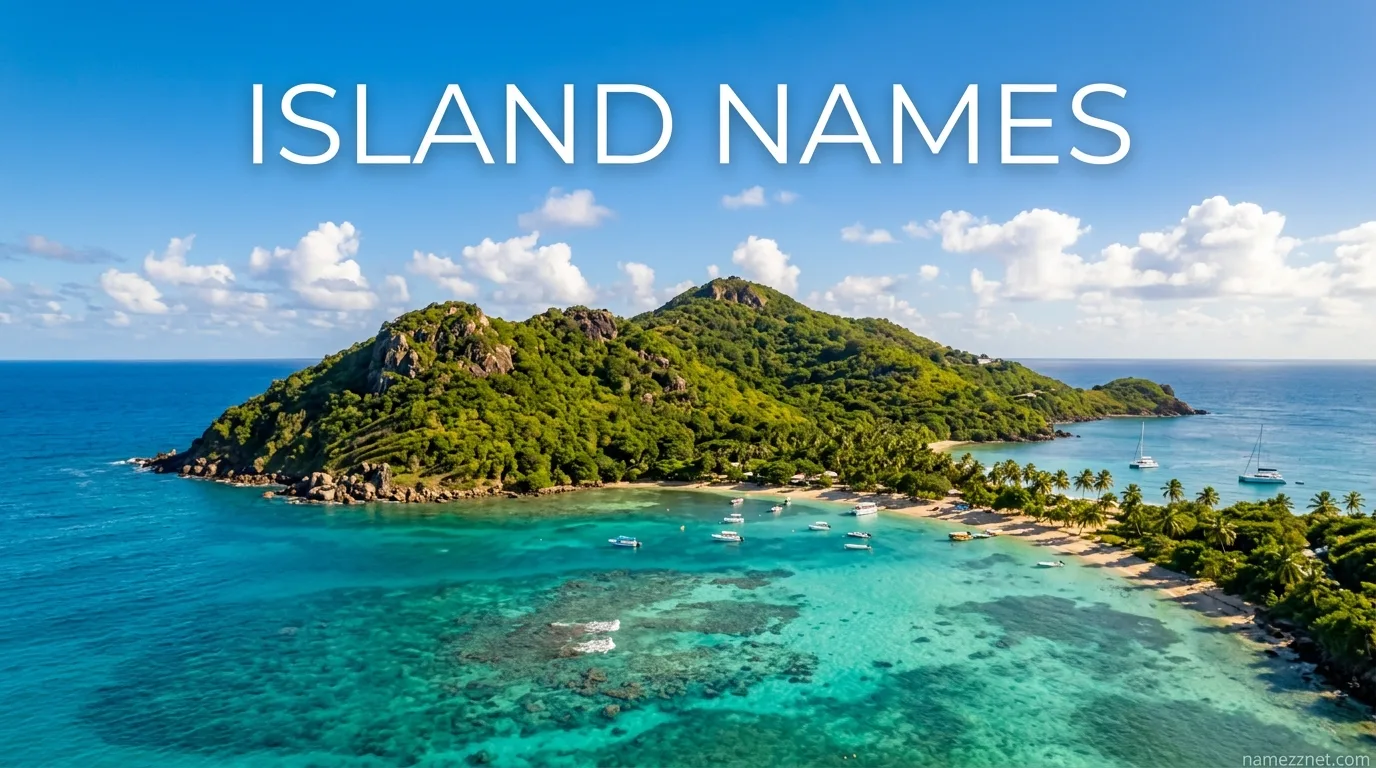
Island names have a unique kind of magic. They instantly evoke images of turquoise water, golden beaches, volcanic cliffs, or mysterious lands hidden beyond the horizon. Whether you’re naming a fictional world in a story, creating a game map, building a travel brand, or simply exploring geography, Island Names carry emotional weight, cultural identity, and storytelling power.
The right island name can feel peaceful, exotic, adventurous, romantic, or even mythical. Think about how certain places already spark imagination—just hearing them transports you somewhere else. That’s the real power behind island naming: it’s not just geography, it’s emotion wrapped in language.
In this complete guide, we’ll explore how island names are created, what makes them meaningful, where inspiration comes from, and how you can craft your own unforgettable names that feel authentic, memorable, and search-friendly.
What Are Island Names and Why They Matter
Island names are more than labels on a map—they are identity markers that reflect history, nature, culture, and human imagination.
Cultural and Historical Significance
Many island names come from ancient languages, indigenous traditions, explorers, or colonial history. For example, names like Zanzibar or Corsica carry centuries of cultural influence and storytelling.
- Zanzibar reflects a blend of African, Arab, and Persian linguistic roots.
- Corsica carries deep Mediterranean heritage and a strong cultural identity.
These names are not random—they preserve identity and history across generations.
Why Island Names Matter in Modern Context
Today, island names are important in:
- Tourism branding (resorts, destinations, cruises)
- Fiction writing and world-building
- Video games (Minecraft, RPG worlds, simulation games)
- Real estate development (private islands)
- Digital storytelling and creative projects
A strong island name can make a destination feel luxurious, mysterious, or adventurous even before someone sees it.
Categories of Island Names
Island names can be grouped into different styles based on tone, geography, and creative purpose.
1. Tropical Island Names
These names evoke warmth, relaxation, and paradise imagery. They often include soft sounds, vowel endings, and nature references.
Examples include:
- Bora Bora – A dreamy Polynesian name associated with luxury and turquoise lagoons.
- Bali – A globally recognized island symbolizing spirituality, beaches, and cultural richness.
- Maldives – Known for its overwater villas and crystal-clear waters.
These names work because they immediately trigger vacation imagery.
2. Exotic and Luxury Island Names
Luxury island names often sound elegant, exclusive, and refined.
- Seychelles – A group of islands associated with untouched beauty and premium tourism.
- Ibiza – Famous for nightlife, beaches, and global entertainment culture.
- Capri – A Mediterranean island linked with high-end travel and romantic scenery.
These names are often used in branding resorts, perfumes, yachts, and luxury products.
3. Fantasy Island Names
Fantasy island names are commonly used in storytelling, games, and creative writing. They often include invented words, blended syllables, or myth-like sounds.
Examples:
- Aeloria (airy, magical tone)
- Drakmere (dragon-inspired fantasy world)
- Luminara (light-themed, mystical island)
- Thalseryn (oceanic fantasy realm)
These names don’t need historical accuracy—they need imagination and emotional tone.
4. Real-World Famous Island Names
Some islands are globally recognized and often used as inspiration:
- Hawaii – A volcanic island chain known for surfing, culture, and natural beauty.
- Santorini – Famous for white architecture and dramatic cliffside sunsets.
- Fiji – Known for friendly culture and tropical landscapes.
These real names influence how fictional islands are created in media and branding.
5. Mythological or Legendary Island Names
Inspired by ancient myths and legends:
- Atlantis (lost underwater civilization)
- Avalon (Arthurian legend island of healing)
- Hyperborea (mythical northern paradise)
These names carry mystery and timeless storytelling appeal.
What Makes a Good Island Name? Key Elements
A strong island name usually includes these characteristics:
1. Pronounceability
If it’s too complex, it loses memorability. Smooth syllables work best.
2. Emotional Tone
Does it feel:
- Peaceful?
- Dangerous?
- Luxurious?
- Magical?
3. Cultural Depth
Names inspired by real languages or history feel more authentic.
4. Visual Imagination
A good name creates instant mental imagery—beaches, cliffs, jungles, or ruins.
5. Uniqueness
Especially important for branding, gaming, or storytelling.
How to Create Unique Island Names (Expert Tips)
If you want to invent your own island names, here are practical creative methods:
1. Blend Nature + Emotion Words
Combine natural elements with mood-based words:
- Mist + Haven → Misthaven
- Coral + Dream → Coraldream
- Storm + Isle → Stormisle
2. Use Real Language Roots
Borrow from Latin, Greek, or Polynesian sounds:
- “Thal” (sea in Greek)
- “Aqua” (water in Latin)
- “Moana” (ocean in Polynesian languages)
3. Add Suffix Patterns
Common island-style endings:
- -ara (Lumara)
- -ia (Solaria)
- -os (Nerios)
- -ael (Tyrael-inspired fantasy tone)
4. Match Tone to Purpose
- Luxury islands → soft vowels (Eloria, Velina)
- Dangerous islands → hard consonants (Kragor, Drask)
- Romantic islands → flowing sounds (Aurelia, Selenea)
5. Test Story Fit
Always ask:
“Does this name match the world or story it belongs to?”
Popular Island Name Inspirations and Their Meaning
Here are meaningful real-world island names and why they stand out:
Bora Bora
A symbol of romance and luxury tourism. Its double-word structure makes it rhythmic and unforgettable.
Galápagos Islands
Known for biodiversity and evolution research. The name carries scientific and natural importance.
Ibiza
Short, punchy, and globally recognized. Ideal example of branding simplicity.
Maldives
Soft phonetics create a calm, relaxing emotional response.
Seychelles
Elegant pronunciation that fits luxury tourism identity.
Each of these names succeeds because they align sound, identity, and emotional expectation.
Common Mistakes When Creating Island Names
Many creators struggle with naming because they overlook key principles:
1. Overcomplicating the Name
If it looks like a code (e.g., Xytrion-7), it loses emotional connection.
2. Ignoring Pronunciation
If people can’t say it, they won’t remember it.
3. No Cultural Consistency
A tropical island with a harsh sci-fi name feels mismatched unless intentionally designed.
4. Copying Existing Famous Names
This reduces originality and SEO uniqueness.
5. Lack of Emotional Meaning
A name without feeling becomes forgettable.
Island Names in Gaming and Fiction
Island naming is extremely popular in creative communities:
- Minecraft survival islands often use names like “Crimson Atoll” or “Emerald Bay.”
- Animal Crossing players choose cozy names like “Sunleaf Isle” or “Honeydew Island.”
- Fantasy RPGs use dramatic names like “Stormreach Isle” or “Dragon’s Hollow.”
Good gaming island names usually balance creativity with readability.
SEO Strategy for Island Names (For Writers & Bloggers)
If you’re using island names for content creation, follow these SEO principles:
- Use long-tail keywords like “fantasy island names ideas” or “tropical island name generator”
- Include emotional descriptors (beautiful, mysterious, exotic, luxury)
- Add contextual storytelling to increase dwell time
- Structure content with clear headings for featured snippets
Search engines reward content that feels human, informative, and deeply useful—not just keyword lists.
Frequently Asked Questions (FAQ)
1. What makes an island name sound exotic?
Exotic island names often use flowing vowels, soft consonants, and rhythmic repetition, creating a sense of beauty and distance.
2. How do I create a fantasy island name?
Combine nature terms, mythology, and invented syllables. Focus on tone rather than literal meaning.
3. What are some famous real island names?
Examples include Bali, Maldives, Santorini, Fiji, Ibiza, and Bora Bora.
4. Can island names be one word?
Yes. Many effective names are single-word structures like “Ibiza” or “Capri,” especially for branding.
5. Why are island names important in storytelling?
They help set mood, establish world-building, and make fictional worlds feel believable and immersive.
Conclusion
Island names are far more than geographic labels—they are emotional gateways into imagination, culture, and storytelling. Whether drawn from real-world beauty like Santorini or invented for fantasy worlds, a strong island name creates instant connection and visual identity.
The best names balance sound, meaning, and feeling. They are simple enough to remember, yet rich enough to imagine. From tropical paradise islands to mysterious myth-inspired lands, naming is an art that blends language, emotion, and creativity.
If you understand the principles behind island naming—tone, culture, and imagination—you can create names that don’t just describe a place, but bring it to life in the minds of readers, players, and travelers alike.
