
If you’ve ever stepped into the world of fantasy roleplaying, you’ve likely come across the striking and mysterious tiefling names that instantly stand out from ordinary human naming styles. These names carry an air of infernal heritage, ancient magic, and emotional depth that makes tiefling characters unforgettable in storytelling, especially in tabletop roleplaying games like Dungeons & Dragons.
But tiefling names are more than just “cool fantasy words.” They reflect identity, struggle, culture, rebellion, and sometimes even a rejection of infernal ancestry altogether. Understanding how these names work can completely transform how you build characters, write stories, or roleplay in fantasy settings.
In this complete guide, we’ll explore everything you need to know about tiefling names—from their meanings and origins to categories, examples, naming strategies, and expert storytelling tips that help you create names that feel authentic, powerful, and memorable.
What Are Tiefling Names?
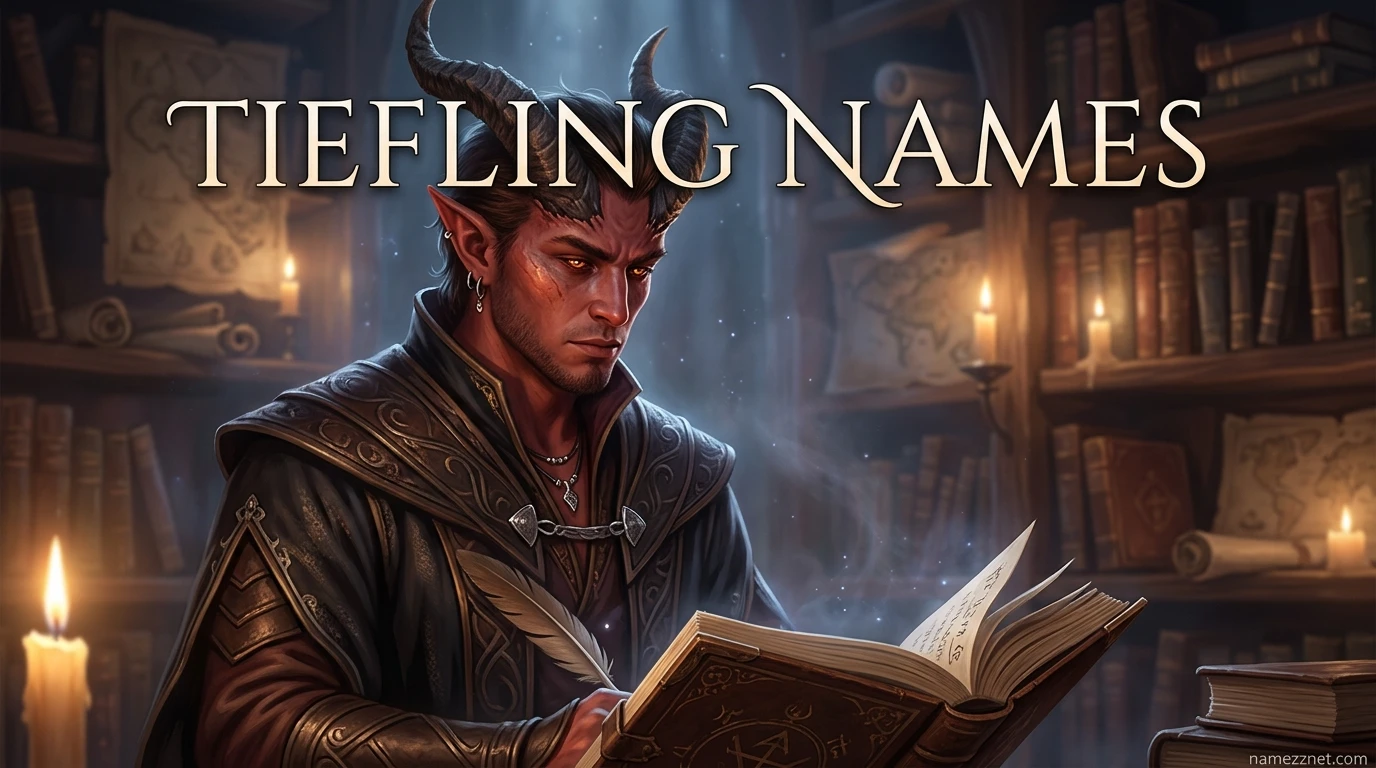
Tiefling names are fantasy names used by tieflings—humanoids with infernal heritage, often marked by horns, tails, and other fiendish traits. In most fantasy lore, tieflings are not born into a single unified culture. Instead, they are shaped by human societies, personal experiences, and the stigma (or acceptance) of their bloodline.
Because of this, tiefling names are incredibly diverse and layered. They can be:
- Human-like names from the culture they were raised in
- Infernal-sounding names tied to devilish ancestry
- Symbolic “virtue names” chosen to define identity
- Completely self-created names reflecting personal freedom
This flexibility makes tiefling naming conventions one of the most creative aspects of fantasy character design.
Unlike elves or dwarves, tieflings don’t follow a strict naming system. Their names often tell a story about who they were, who they are, or who they want to become.
The Meaning and Significance of Tiefling Names
A tiefling name is rarely just a label. It is a reflection of identity shaped by three major influences:
1. Infernal Heritage
Tieflings often descend from fiends or infernal bloodlines. Some names echo this origin with harsh, sharp sounds or meanings connected to darkness, fire, or power.
2. Human Upbringing
Most tieflings are raised among humans or other races. This leads to common, regional, or culturally familiar names like “Marcus,” “Elira,” or “Jonas.”
3. Personal Reclamation
Many tieflings reject their infernal past and adopt self-chosen names like “Hope,” “Vigil,” or “Ash.” These are deeply symbolic and often represent transformation or emotional survival.
This layered identity makes tiefling names powerful storytelling tools. A single name can reveal whether a character embraces their heritage or fights against it.
Categories of Tiefling Names
To understand tiefling naming styles more deeply, it helps to break them into key categories. Each category serves a different narrative purpose.
Infernal-Inspired Names
These names are influenced by devilish or abyssal tones. They often sound sharp, exotic, or slightly unsettling.
Examples:
- Zarvok – Suggests dominance and infernal authority
- Malreth – Feels ancient, dark, and noble in a sinister way
- Xirath – Sharp consonants suggest magical or demonic origin
- Velkira – Elegant but dangerous sounding
These names work well for tieflings who embrace their infernal roots or come from powerful bloodlines.
Virtue Names (Self-Chosen Identity Names)
Virtue names are one of the most iconic tiefling traditions. These names represent ideals, emotions, or philosophies.
Examples:
- Hope – A tiefling who rejects despair and seeks light
- Justice – A lawful protector fighting prejudice
- Mercy – A compassionate healer or pacifist
- Fury – A warrior fueled by righteous anger
- Silence – A stealthy, introspective character
Virtue names are powerful because they reflect who the character chooses to be, not where they came from.
Human-Style Names
Many tieflings are raised in human societies and adopt normal cultural names.
Examples:
- Elira – Soft, melodic, common in fantasy human cultures
- Dorian – Noble and classic, often used for educated characters
- Mira – Simple and versatile across regions
- Jonas – Grounded, practical identity
These names often create interesting storytelling contrast when paired with infernal heritage.
Dark Fantasy or Gothic Names
These names lean into moody, atmospheric tones and are often used in darker campaigns.
Examples:
- Nyxara – Inspired by night imagery and mystery
- Thalgrim – Heavy, ancient, warlike sound
- Vespera – Evening or dusk-inspired elegance
- Kaelthas – Regal but ominous tone
These names are ideal for warlocks, antiheroes, or morally complex characters.
Gender-Neutral Tiefling Names
Many tiefling names are fluid and not strictly gendered, reflecting their individuality.
Examples:
- Ashen – Symbolizes rebirth and destruction
- Riven – Broken but powerful identity
- Zephyr – Light, free-spirited energy
- Onyx – Strong, mysterious presence
- Vale – Quiet, reflective personality
These names work especially well in modern storytelling and inclusive character design.
Best Tiefling Name Ideas (With Meanings and Personality Traits)
Below is a curated selection of names designed to inspire deeper character building—not just random suggestions.
Male Tiefling Name Ideas
- Kaelor – A disciplined wanderer with a hidden noble past
- Dravon – Aggressive, battle-hardened warrior energy
- Sareth – Intelligent, calm, and strategically minded
- Belros – A tiefling who hides emotional pain behind charm
- Varix – Ambitious and slightly dangerous personality
Female Tiefling Name Ideas
- Lilithra – Elegant but tied to dark mystical origins
- Seraphine – Ironically angelic-sounding for a tiefling healer
- Zyra – Sharp, confident, and rebellious
- Morvanna – Deeply mysterious and possibly cursed past
- Elyndra – Balanced between light and shadow identity
Gender-Neutral Tiefling Name Ideas
- Arden – Strong-willed and nature-connected identity
- Kyris – Analytical and emotionally reserved
- Nyxen – Night-associated and magical aura
- Solan – Sun-themed contrast to infernal heritage
- Veyl – Quiet, elusive, and secretive character type
Each of these names works because they connect sound, meaning, and personality together—making the character feel real rather than random.
Cultural and Linguistic Inspirations Behind Tiefling Names
Great tiefling names often borrow from real-world linguistic influences to sound believable and immersive.
Latin and Romance Language Influence
Names like Seraphine, Lucien, or Vespera feel elegant and mystical due to Latin roots.
Gothic and Medieval Influence
Hard consonants and dark tones like Thalgrim or Morvanna create a medieval fantasy feel.
Arabic and Middle Eastern Influence
Flowing sounds and rhythmic structures can inspire names like Zyra or Kaelira.
Modern Fantasy Blending
Many tiefling names are hybrids—mixing soft vowels with harsh consonants for contrast, such as Nyxara or Velkira.
This blending creates names that feel both ancient and original.
How to Create Your Own Tiefling Names (Step-by-Step Guide)
If you want truly unique tiefling names, follow this simple creative process:
Step 1: Decide the Character’s Identity
Ask:
- Do they embrace or reject their infernal heritage?
- Are they emotional, logical, chaotic, or disciplined?
Step 2: Choose a Naming Style
Pick one direction:
- Infernal-sounding
- Virtue-based
- Human-style
- Gothic fantasy
Step 3: Build Sound Structure
Use patterns like:
- Sharp consonants (X, K, Z, V) for infernal tone
- Soft vowels (a, e, i) for elegance
- Mixed syllables for complexity
Step 4: Attach Meaning
Give the name emotional or symbolic weight. Even fictional names feel stronger when they represent something.
Step 5: Test Pronunciation
A great tiefling name should be:
- Easy to say aloud
- Memorable in conversation
- Distinct in a group of characters
Personality Mapping: How Names Shape Character Identity
A well-chosen tiefling name can hint at personality traits:
- Harsh names → aggression, strength, dominance
- Soft names → empathy, intelligence, mystery
- Virtue names → idealism or emotional trauma
- Human names → assimilation or normalcy
For example:
A tiefling named “Fury” immediately suggests a volatile, emotionally driven character, while “Mira” suggests subtlety and calm presence.
Common Mistakes When Choosing Tiefling Names
Even experienced players sometimes fall into these traps:
1. Overly Complicated Names
If a name is too hard to pronounce, it loses impact in roleplay.
2. Random Edgy Sounds
Adding random apostrophes or harsh letters doesn’t automatically make a name meaningful.
3. No Emotional Connection
A name without narrative meaning feels flat and forgettable.
4. Copying Popular Fantasy Tropes
Avoid recycling overly familiar “dark fantasy” templates unless you add a unique twist.
Practical Uses of Tiefling Names in Storytelling
Tiefling names aren’t just for gaming—they are widely used in:
- Fantasy novels and worldbuilding
- Tabletop RPG character creation
- Video game avatars
- Roleplay communities
- Creative writing and storytelling workshops
A strong name instantly communicates tone, personality, and emotional depth to readers or players.
Frequently Asked Questions (FAQ)
1. What makes a good tiefling name?
A good tiefling name balances sound, meaning, and personality. It should reflect the character’s identity and feel natural in a fantasy setting.
2. Do tieflings have last names?
Usually no. Many tieflings use single names or adopt surnames from human cultures they live in.
3. What are virtue names in tiefling culture?
Virtue names are self-chosen names like “Hope” or “Fury” that represent ideals or emotions.
4. Can tiefling names be human?
Yes. Many tieflings adopt human names if they are raised in human societies.
5. Are infernal names necessary?
Not at all. Infernal names are optional and depend on character background and storytelling choice.
6. How do I make a tiefling name sound unique?
Combine contrasting sounds, assign meaning, and ensure it reflects your character’s emotional identity.
Final Thoughts on Tiefling Names
Tiefling names are one of the most expressive elements in fantasy character creation. They are not just identifiers—they are storytelling devices that reveal history, personality, and emotional struggle. Whether you choose a dark infernal name, a hopeful virtue name, or a simple human-style name, what matters most is the meaning behind it.
A truly great tiefling name doesn’t just sound good—it tells a story before the character even speaks.
If you approach naming with intention, creativity, and emotional depth, you won’t just create a character—you’ll create a legend worth remembering.
